


The Complete Guide to Vodka in 2026
The Complete Guide to Vodka in 2026
Vodka has come a long way since its mysterious origins in Eastern Europe. What was once considered a straightforward, neutral spirit has evolved into a diverse category brimming with innovation, flavour experimentation, and craftsmanship. Whether you're a seasoned vodka enthusiast or someone just beginning to explore beyond the standard mixer, 2026 is an exciting time to discover what modern vodka really offers.
The vodka market today is nothing like it was a decade ago. Consumers are increasingly seeking out premium spirits with character, sustainability credentials, and genuine flavour. The days of viewing vodka as merely a backdrop for cocktails are fading fast—though it certainly still plays that role beautifully. Today's vodka drinkers want to know where their spirit comes from, how it's made, and what makes it special.
This comprehensive guide explores everything you need to know about vodka in 2026: from production methods and flavour profiles to cocktail applications and what makes certain vodkas stand out from the crowd. We'll help you navigate the increasingly crowded vodka market, understand quality indicators, and discover how flavoured vodkas are reshaping the spirit category.
What is Vodka? Understanding the Basics
At its core, vodka is a distilled spirit traditionally characterised by a neutral flavour profile and high alcohol content (typically 40% ABV or higher). The name itself derives from the Russian word "voda," meaning water—a nod to vodka's historical reputation as a clean, pure spirit.
However, this definition has expanded considerably. Modern vodka production involves fermenting various base materials (grains, potatoes, sugar beets, or even fruits), distilling the resulting liquid multiple times to achieve high purity, and often filtering through activated charcoal or other media to refine the final product.
What distinguishes vodka from other spirits like gin or whiskey is its intentional neutrality during production. Where gin makers carefully select botanicals and whiskey producers embrace wood aging and character development, traditional vodka producers focus on creating a clean canvas—a base that neither dominates nor competes with other ingredients.
The Evolution of Vodka's Definition
Interestingly, the vodka category has become more flexible in recent years. While premium vodka producers still chase that elusive smoothness and purity, the rise of flavoured vodkas has challenged the old orthodoxy that vodka must be completely neutral. Today's vodka category encompasses everything from crystal-clear, minimalist spirits to richly flavoured expressions that proudly display personality.
This shift reflects changing consumer preferences. Research suggests that flavoured spirits now represent a significant and growing segment of the vodka market, appealing to consumers who want more adventurous drinking experiences without abandoning vodka's versatility in cocktails.
How Vodka is Made: Production Methods Explained
Understanding vodka production helps you appreciate why certain vodkas command premium prices and why others might taste noticeably different. The process isn't as simple as "distil and bottle"—quality vodka involves careful attention at every stage.
Fermentation: Starting the Journey
The vodka-making journey begins with fermentation, where yeast converts sugars into alcohol. The base material varies significantly: Russian and Eastern European vodkas traditionally use grains or potatoes, while other producers favour sugar beets, corn, or even grapes.
The choice of base material matters more than some industry commentators suggest. Each material brings subtle characteristics to the finished spirit. Sugar beet vodka, for example, often results in a naturally clean, slightly sweet profile that many users report as distinctly smooth. This is why producers like cheekyswank choose premium sugar beet as their foundation.
Distillation: The Critical Process
Distillation is where vodka truly takes shape. Most premium vodkas undergo multiple distillations—often four to seven times—to achieve maximum purity and smoothness. Each distillation removes unwanted compounds, harsh alcohols, and impurities that would create a rough mouthfeel.
The number of distillations correlates with quality, though not always in a linear way. A five-times distilled vodka typically delivers noticeably superior smoothness compared to a two-times distilled alternative. However, beyond a certain point, additional distillations show diminishing returns. What matters more is the quality of the distillation process and the skill of the master distiller.
Filtration: The Final Polish
After distillation, premium vodka undergoes extensive filtration. Activated charcoal filters remain the industry standard, though some producers experiment with other media like diamond dust or special crystalline structures. Filtration removes microscopic particles and further refines the spirit's taste profile.
This is a crucial step often overlooked by casual vodka drinkers. The difference between adequately filtered and exceptionally filtered vodka becomes immediately apparent when you taste them side-by-side—one delivers a silky, velvety mouthfeel while the other might feel slightly harsh or rough.
Vodka Quality Indicators: What Actually Matters
Not all vodkas are created equal, yet many consumers treat the category as entirely interchangeable. Learning to identify quality indicators helps you make informed choices about which vodka deserves shelf space in your home bar.
Base Material and Origin
The base material significantly influences the final spirit's character. Grain-based vodkas (usually wheat or rye) tend to deliver clean, crisp profiles. Potato-based vodkas, favoured in Poland and Russia, typically offer slightly richer, earthier characteristics. Sugar beet vodka provides a naturally clean sweetness without being cloying.
Origin matters too. Vodkas from traditional vodka-producing regions like Russia, Poland, and Scandinavia often demonstrate refined production techniques honed over generations. However, excellent vodka now comes from unexpected places—premium producers in the UK, America, and Australia have earned recognition for their commitment to quality and innovation.
Distillation and Filtering
Multiple distillations—typically five or more—indicate a producer's commitment to smoothness and purity. The filtering process is equally important. Look for producers who explain their filtration methods, whether that's charcoal filtering, multiple filtration stages, or proprietary techniques.
Transparency and Traceability
Quality vodka producers share details about their process. They're proud of their base materials, distillation methods, and production location. If a brand won't tell you where their vodka comes from or how it's made, that's often a red flag suggesting a less-than-premium product.
Modern consumers increasingly value traceability and sustainability. Many prefer brands that source responsibly, use renewable energy, or implement water conservation measures. These commitments often correlate with overall quality—brands willing to invest in environmental responsibility typically invest equally in production excellence.
The Flavoured Vodka Revolution
Perhaps the most significant shift in the vodka category over recent years has been the rise of genuinely crafted flavoured vodkas. This isn't about cheap infusions or artificial essences—today's premium flavoured vodka products represent thoughtful flavour development and careful ingredient selection.
Why Flavoured Vodka is Transforming the Category
Flavoured vodka offers several advantages that appeal to modern drinkers. First, it provides excitement and complexity without requiring extensive cocktail-making skills. A premium flavoured vodka can be enjoyed simply with ice or mixed with a single complementary ingredient.
Second, flavoured vodka expands vodka's versatility. While traditional neutral vodka shines in classics like Martinis and Cosmopolitans, flavoured expressions open entirely new cocktail possibilities. They encourage experimentation and make home bartending more accessible.
Third, the category appeals to consumers seeking distinctive, memorable drinking experiences. Rather than another anonymous bottle of clear spirit, flavoured vodkas tell a story through their taste—they embody specific flavour concepts that resonate with drinkers.
Dessert-Inspired Flavours: A Emerging Trend
One of the most exciting developments in premium vodka is the emergence of dessert-inspired flavours. Rather than pursuing artificial sweetness, quality producers are crafting vodka expressions that capture the genuine essence of beloved desserts.
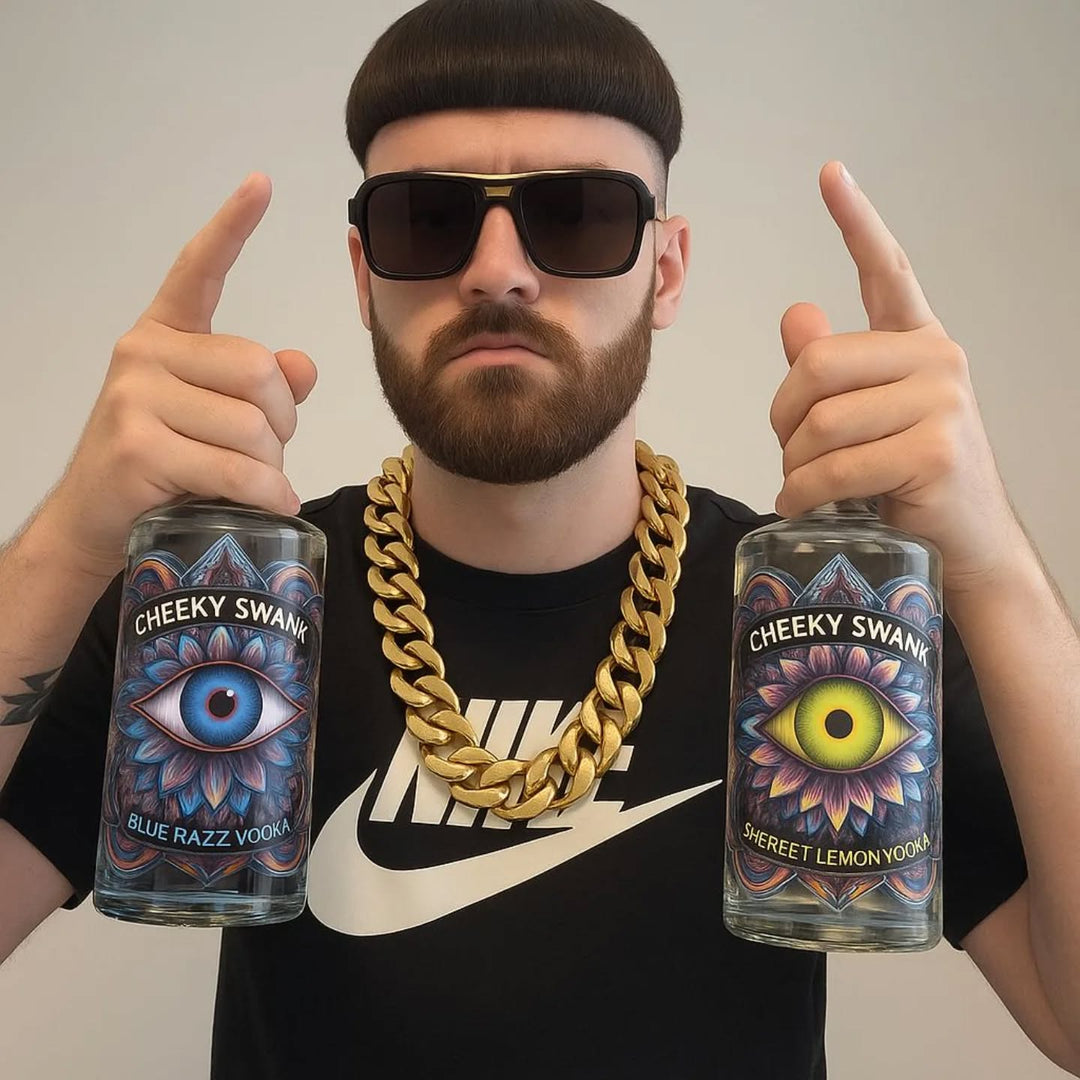
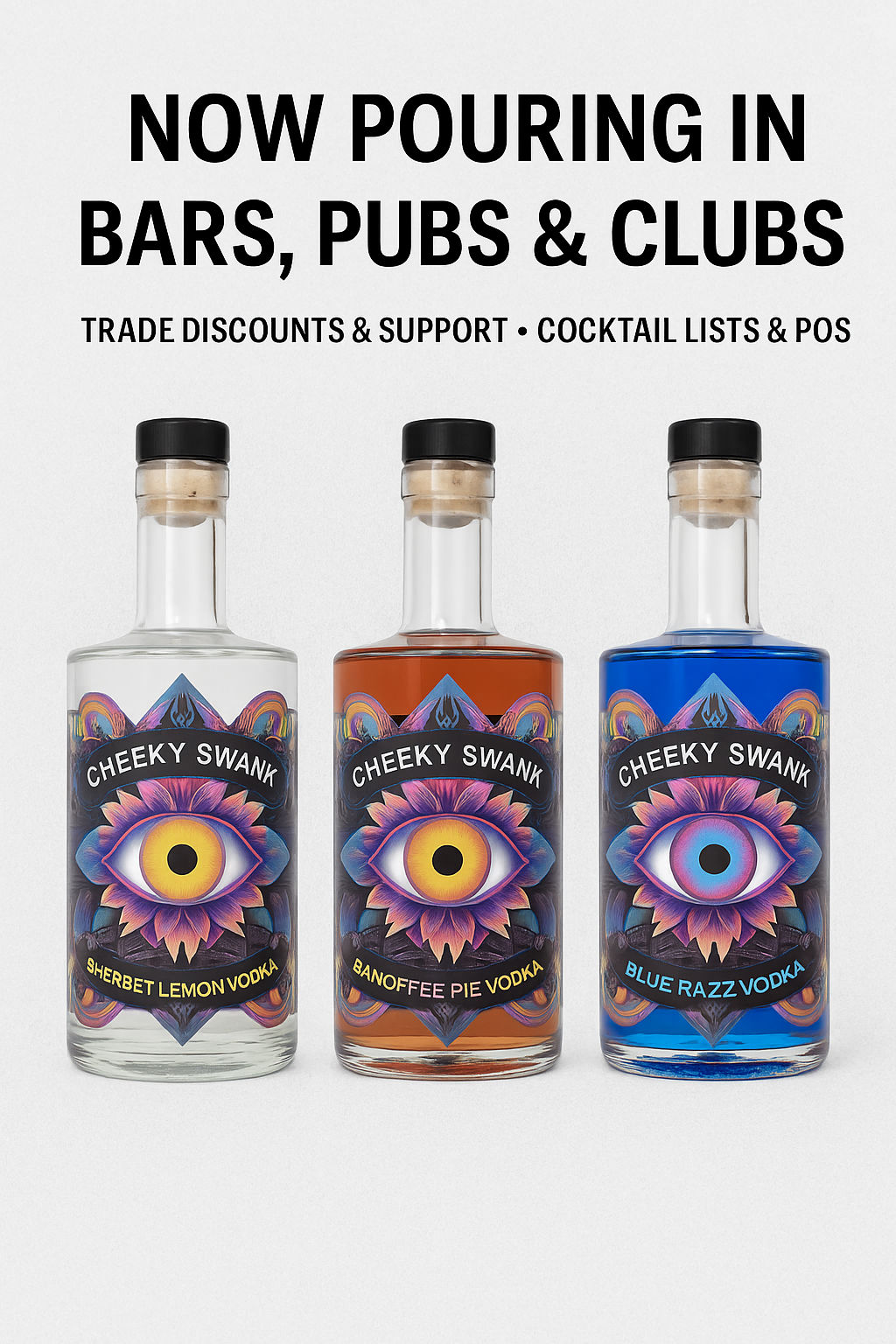
Banoffee Pie Vodka from cheekyswank exemplifies this approach perfectly. This flavoured vodka captures the rich, indulgent character of the classic British dessert—combining real banana and toffee notes with the smoothness of five-times distilled sugar beet vodka. The result is a spirit that tastes genuinely like the pudding it's inspired by, not an artificial approximation.
What makes this approach work is the commitment to real flavours. Rather than using synthetic flavouring compounds, premium producers source genuine ingredients and develop them carefully. The Banoffee Pie Vodka uses real fruit flavours layered with authentic toffee notes, creating a complex, satisfying taste experience.
Beyond Sweet: The Full Flavoured Vodka Spectrum
While dessert-inspired vodkas are trending, the flavoured vodka market encompasses a broad spectrum. Producers are exploring fruity expressions, spiced varieties, herbal infusions, and unexpected combinations. This diversity means there's likely a flavoured vodka that appeals to almost any palate.
Many users report that quality flavoured vodkas actually make better cocktail bases than neutral vodka in certain applications. A fruit-forward flavoured vodka might be ideal for tropical or summery cocktails, while a spiced expression could elevate classic vodka drinks with unexpected complexity.
Vodka and Cocktails: Mixology in 2026
Vodka remains a cornerstone of modern cocktail culture, though its role is evolving. Where vodka once functioned primarily as a neutral base, bartenders today often celebrate vodka's actual characteristics—or choose flavoured varieties specifically for their flavour contributions.
Classic Vodka Cocktails
The canonical vodka cocktails remain timeless for good reason. The Martini, Cosmopolitan, Moscow Mule, and Bloody Mary represent different approaches to showcasing vodka's versatility. In these classics, high-quality neutral vodka makes a genuinely discernible difference.
For detailed cocktail recipes and techniques, the Best Vodka Cocktail Recipes guide offers comprehensive coverage of both traditional and contemporary preparations.
Modern Vodka Cocktailing
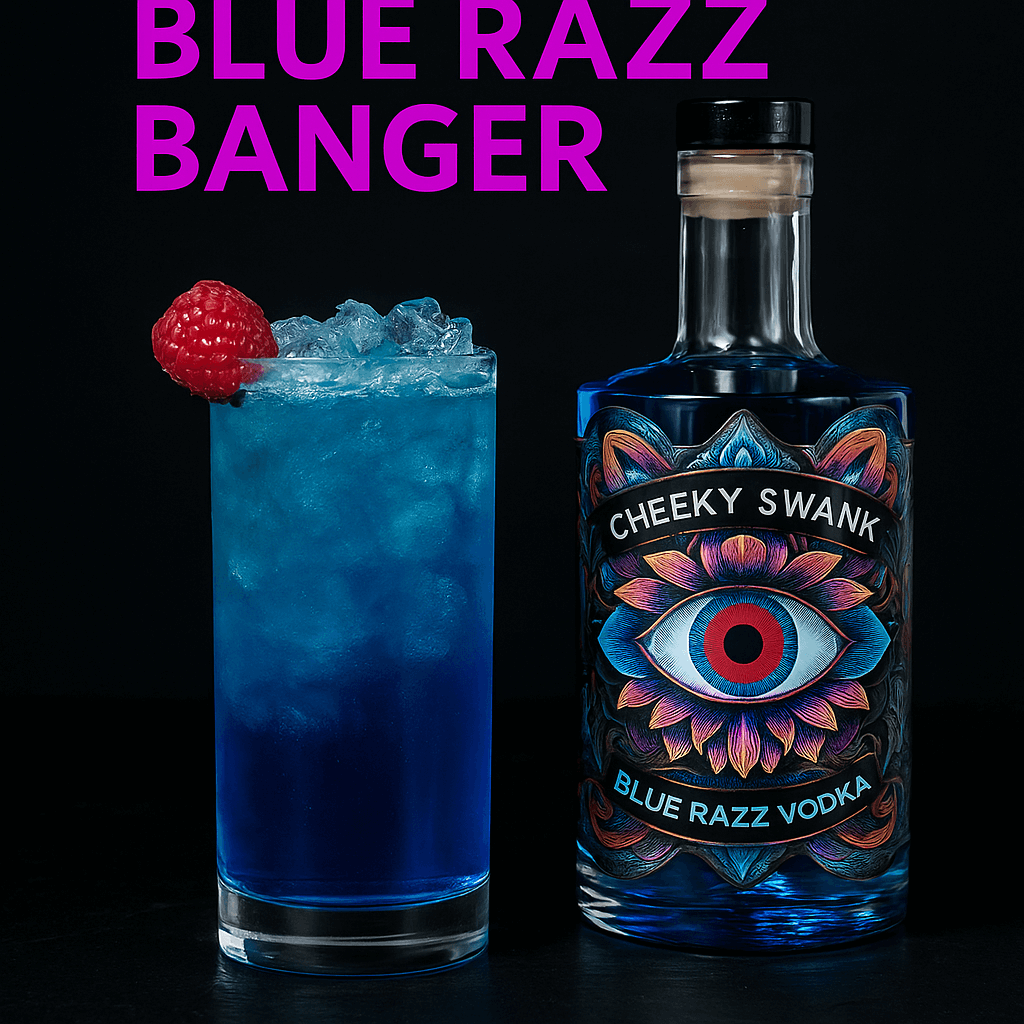
Contemporary mixologists are pushing vodka cocktailing into new territory. Flavoured vodkas play starring roles in creative drinks that celebrate their specific profiles rather than trying to hide them. A Banoffee Pie Vodka might feature in a dessert-forward cocktail with complementary ingredients, while other expressions might anchor drinks that highlight their unique characteristics.
The shift toward craft cocktails has also highlighted vodka's essential role as a mixer. Many bartenders now emphasize that quality vodka—whether neutral or flavoured—can elevate any cocktail. A premium spirit makes a quantifiable difference in the final drink, delivering superior smoothness and better flavour integration.
Vodka Selection for Specific Cocktails
Different cocktails benefit from different vodka characteristics. Creamy cocktails pair beautifully with smooth, refined vodkas. Fresh, citrus-forward drinks might benefit from a vodka with subtle brightness. Dessert cocktails naturally align with flavoured expressions.
For those specifically interested in one classic application, the Best Vodka for Cosmopolitans guide provides detailed recommendations for selecting the ideal vodka for that particular drink.
Understanding Vodka Tasting Notes
While vodka traditionally emphasised its neutral character, premium producers today encourage drinkers to actually taste and appreciate their spirits. Understanding vodka tasting notes helps you communicate what you enjoy and find similar expressions.
What You're Actually Tasting
Even neutral vodkas contain subtle flavour compounds. These might include mineral notes from the water source, slight sweetness from the base material, or delicate floral undertones from the production process. Premium vodka drinkers learn to identify and appreciate these subtleties.
Flavoured vodkas, obviously, present more pronounced tasting notes. Quality expressions develop complex flavour profiles—perhaps layered fruit notes with subtle spice, or creamy richness balanced by bright acidity.
Developing Your Palate
The Bespoke Vodka Tasting Notes article provides detailed guidance on approaching vodka tasting methodically, developing your ability to identify specific characteristics and appreciate what makes certain vodkas special.
Tasting vodka properly involves attention to appearance (clarity, viscosity), nose (the aromatics you detect), and palate (flavour, mouthfeel, finish). Premium vodkas, particularly flavoured expressions, reveal themselves more fully through this structured approach than through casual sipping.
Vodka Selection Guide: Finding Your Perfect Spirit
With countless vodka options available, selecting the right bottle for your needs might feel overwhelming. This guide simplifies the decision-making process.
For Cocktail Enthusiasts
If you're primarily mixing cocktails, prioritise smoothness and purity. A quality five-times distilled vodka from a reputable producer ensures your drinks taste excellent regardless of other ingredients. Look for transparency about production methods—brands should explain their distillation and filtration processes clearly.
For cocktails featuring multiple ingredients, a neutral vodka remains the safest choice, as it won't compete with other flavours. However, don't overlook how flavoured vodkas can elevate specific drinks—a fruit-forward vodka might be perfect for summery cocktails, while a dessert-inspired expression could inspire entirely new creations.
For Sipping and Appreciation
If you enjoy vodka neat or on the rocks, premium quality becomes even more important. Higher distillation counts and careful filtration create the silky smoothness that makes sipping enjoyable. Look for flavoured expressions with genuine taste complexity—these are designed to be appreciated rather than hidden in a cocktail.
Premium flavoured vodkas like Banoffee Pie Vodka are particularly rewarding for sipping, as their carefully developed flavour profiles shine when tasted slowly and mindfully. Many users report that these expressions work wonderfully over ice, allowing the flavours to unfold gradually.
For Budget-Conscious Drinkers
Quality vodka doesn't require a premium price tag, though higher prices often correlate with superior quality. Mid-range vodkas from established producers typically offer genuinely good quality and value. Look for brands that prioritise quality indicators (multiple distillations, careful filtration) rather than expensive marketing.
Budget-conscious drinkers should focus on how they'll use the vodka. For mixing into cocktails with multiple ingredients, a reliable mid-range neutral vodka works perfectly. If you prefer sipping or cocktails where vodka is featured, spending slightly more for a premium expression makes the investment worthwhile.
Vodka Trends in 2026: What's Happening Now
The vodka category continues evolving in interesting directions. Understanding current trends helps you stay informed and discover new products aligned with modern preferences.
Sustainability and Provenance
Consumers increasingly care about where spirits come from and how they're produced. Vodka brands responding to this shift highlight local sourcing, renewable energy usage, water conservation, and sustainable packaging. These commitments often appeal to environmentally conscious drinkers who don't want to compromise on quality.
Premiumisation and Craft Production
The trend toward premiumisation—consumers trading up to higher-quality, more expensive spirits—continues across all categories, including vodka. Craft distilleries are gaining market share by focusing on quality, transparency, and distinctive products rather than chasing volume.
This shift has created space for innovative brands that challenge traditional vodka conventions. Premium producers now experiment with unique base materials, proprietary distillation techniques, and creative flavourings—pushing vodka beyond historical boundaries while respecting the spirit's essential character.