



Best Vodka for Martinis
Best Vodka for Martinis: A Complete Guide to Finding Your Perfect Pour
The martini. It's the drink that defines sophistication, the one James Bond made iconic, and the cocktail that separates casual drinkers from true spirit enthusiasts. But here's the thing: not all vodkas are created equal when it comes to crafting the perfect martini. Whether you're shaking or stirring, the quality and character of your vodka can make or break this classic drink.
If you've ever wondered what makes the best vodka for martinis, you're in the right place. This guide will walk you through everything you need to know—from the essential characteristics that matter, to why smoothness trumps price, to how flavoured vodkas are revolutionizing the martini game. By the end, you'll understand exactly what to look for when selecting your next bottle.
What Makes a Great Vodka for Martinis?
Before we dive into specific recommendations, let's talk about the fundamentals. A martini is one of the simplest cocktails to make—just vodka, vermouth, ice, and a garnish—which means every ingredient matters enormously. When a cocktail has so few components, there's nowhere to hide poor-quality spirits.
Smoothness Is Non-Negotiable
The primary characteristic you should prioritize in a martini vodka is smoothness. Many users report that a harsh, burning sensation on the palate can completely undermine the elegance of a martini. You want a spirit that glides across your tongue without aggression, allowing you to appreciate the subtle interplay between the vodka and vermouth.
This is why distillation quality matters so much. Vodkas that undergo multiple distillations tend to be smoother because the process removes more impurities and harsh compounds. Cheekyswank's Banoffee Pie Vodka, for instance, is five-times distilled from sugar beet, creating that silky texture that makes it an excellent foundation for a martini without sacrificing any character.
Purity and Cleanliness
Your martini vodka should have a clean, pure taste profile. This means minimal fusel oils and other byproducts that can create unwanted flavours or a lingering aftertaste. The beauty of a well-made vodka is that it should be almost neutral—a blank canvas that lets other elements shine while still contributing its own subtle elegance.
Research suggests that the source material and distillation process play enormous roles in achieving this purity. Premium vodkas often start with quality ingredients and employ rigorous filtering and distillation methods.
Mouth Feel and Texture
Beyond just being "smooth," the best vodka for martinis should have excellent mouth feel. This is that silky, almost creamy sensation you experience when sipping. It's the difference between a vodka that feels thin and sharp versus one that feels luxurious and rounded on your palate.
A vodka with excellent mouth feel will make your martini feel more premium, more intentional, and ultimately more satisfying. This is something you can often assess by tasting the vodka neat or on the rocks before committing to a full bottle.
The Case for Flavoured Vodkas in Martinis
Traditionally, martini purists might have turned their noses up at flavoured vodkas. But times are changing, and smart drinkers are discovering that the right flavoured vodka can elevate a martini into something genuinely special—provided the flavouring is authentic and expertly balanced.
When Flavour Works in a Martini
The key to successfully using a flavoured vodka in a martini is subtlety. You don't want something that screams artificial or overpowers the drink. Instead, you want a vodka where the flavour notes are real, present enough to add interest, but refined enough to complement rather than dominate.
Banoffee Pie Vodka from Cheekyswank represents this approach beautifully. With real banana and toffee notes reminiscent of the classic dessert, it brings genuine flavour without being candy-like or cloying. When used in a martini, these warm, dessert-inspired notes can create an intriguing variation that still respects the classic format—think of it as a sophisticated twist rather than a radical departure.
The Appeal of Complexity
Many martini enthusiasts are drawn to flavoured vodkas because they add complexity to an otherwise straightforward drink. A traditional vodka martini with dry vermouth is elegant in its simplicity, but a martini made with a thoughtfully-crafted flavoured vodka offers layers and nuance. The banana and toffee notes can interact with the botanical elements in your vermouth, creating a more interesting sensory experience.
How to Choose the Best Vodka for Your Martini
Consider Your Vermouth Pairing
Your vodka doesn't exist in isolation—it's part of a partnership with your vermouth (and your garnish). If you're using a dry, herbaceous vermouth, you'll want a vodka that won't clash with those botanicals. If you're experimenting with a slightly richer or more aromatic vermouth, a flavoured vodka with deeper notes might work beautifully.
Test Before Committing
Ideally, you should taste a vodka neat or on the rocks before using it in a martini. This gives you a sense of its smoothness, purity, and character without other ingredients masking its qualities. Pay attention to whether it burns, how clean it tastes, and what the finish is like.
Think About Your Garnish
The garnish you choose—olive, twist, or pearl onion—should complement your vodka choice. A lemon twist pairs beautifully with clean, citrus-forward vodkas. An olive works with almost any traditional vodka. But if you're using something like Banoffee Pie Vodka, you might consider a garnish that echoes its dessert-inspired character, or simply let the vodka shine with a classic olive.
Quality Indicators to Look For
When shopping for the best vodka for martinis, keep these quality markers in mind:
- Distillation Process: Multiple distillations (ideally four or more) indicate greater purity and smoothness. Five-times distilled vodkas tend to be exceptionally refined.
- Source Material: Vodka made from quality ingredients—whether grain, potato, or sugar beet—tends to produce better results than those made from questionable sources.
- Filtering: Premium vodkas often employ activated charcoal filtering or other advanced methods to remove impurities.
- ABV (Alcohol by Volume): Most quality vodkas sit between 40% and 50% ABV. This range provides the right balance of smoothness and flavour presence.
- Transparency: Reputable producers are clear about their ingredients and production methods. If a brand is vague, that's a red flag.
Price vs. Quality: What Actually Matters
Here's an honest truth: you don't need to spend a fortune to get an excellent vodka for martinis. Many premium vodkas price themselves based on brand heritage and marketing rather than superior quality. That said, extremely cheap vodkas often sacrifice smoothness and purity, which are absolutely critical for a drink with so few ingredients.
The sweet spot for most home bartenders is a mid-to-premium vodka—something that demonstrates clear quality indicators like multiple distillations and rigorous filtering, without the luxury markup. Banoffee Pie Vodka at £24.99 exemplifies this approach: five-times distilled for exceptional smoothness, made from quality sugar beet, and crafted to work beautifully in cocktails. You get genuine quality and character without breaking the bank.
Serving Your Perfect Martini
Once you've selected your vodka, a few serving tips will help you get the most from it:
Temperature Matters
Always chill your martini properly. A well-stirred martini served at the right temperature showcases your vodka's qualities beautifully. Many experts recommend stirring with ice for at least 30 seconds to achieve the ideal temperature and dilution.
Fresh Ingredients
Use fresh vermouth. Vermouth is fortified wine, and it oxidizes over time. An open bottle should ideally be used within a month. Stale vermouth will undermine even the best vodka.
The Ratio
Classic martinis traditionally use a 6:1 or even higher vodka-to-vermouth ratio. This lets your vodka choice shine while vermouth provides complexity and balance. Find the ratio that works for your palate.
Beyond the Classic: Flavoured Vodka Martini Variations
While we've focused on the classic martini, it's worth noting that flavoured vodkas open up interesting possibilities. Banoffee Pie Vodka can be used to create dessert-inspired martini riffs—perhaps with a touch of honey or a sweet vermouth component—that appeal to those who enjoy creative cocktails.
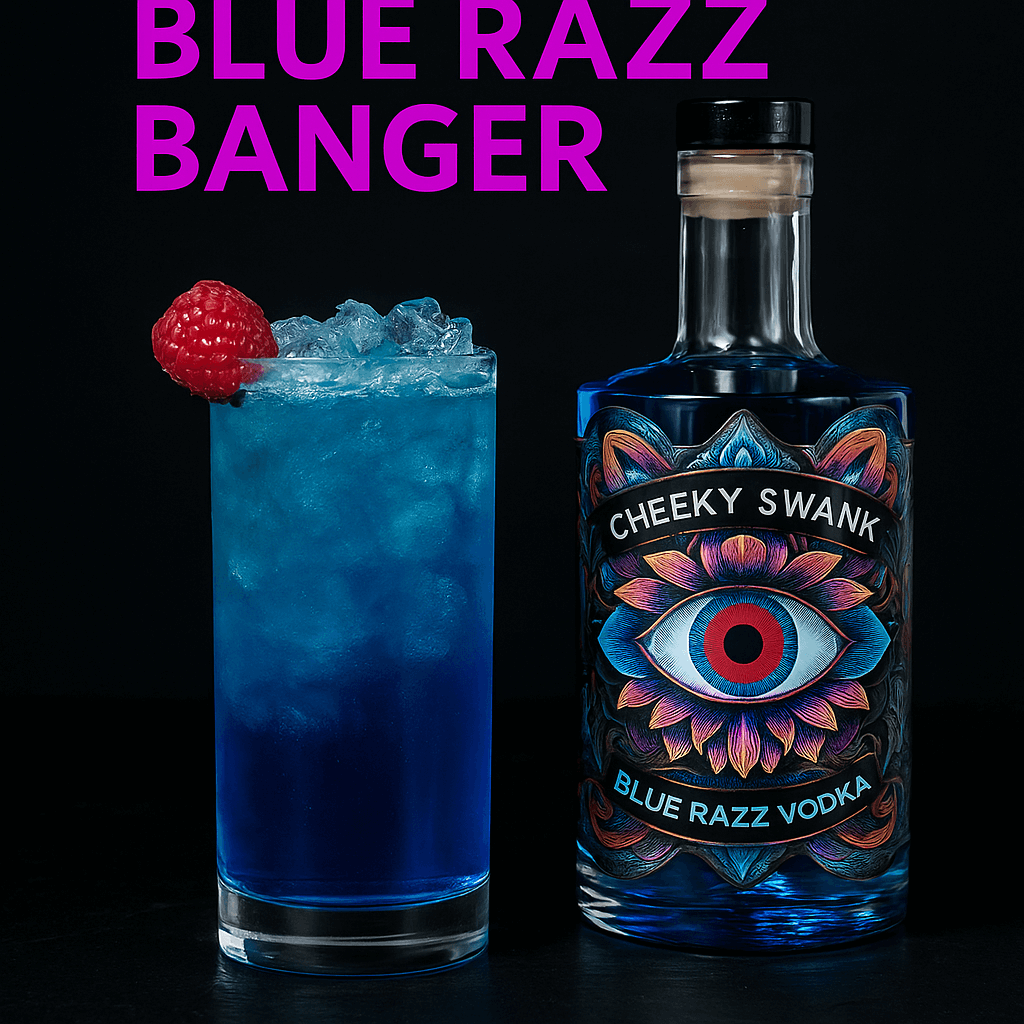
Similarly, if you're interested in other flavoured options, Cheekyswank's Blue Raspberry Vodka offers a completely different flavour profile that could work in more playful martini interpretations.
Frequently Asked Questions About Vodka for Martinis
Does the best vodka for martinis need to be expensive?
Not necessarily. While some premium vodkas command high prices, quality doesn't always correlate with cost. Look for vodkas with clear quality indicators like multiple distillations and proper filtering rather than focusing solely on price. Mid-to-premium range vodkas often offer the best value for martini preparation.
Can I use flavoured vodka in a classic martini?
Absolutely, as long as the flavoured vodka is of high quality and the flavours are authentic rather than artificial. Banoffee Pie Vodka with its real banana and toffee notes can create an interesting variation on the classic while maintaining the drink's elegance. The key is selecting a flavoured vodka where the taste profile complements rather than overwhelms.
What's more important: the vodka or the vermouth in a martini?
Both matter significantly, but many argue the vodka is more important simply because it comprises the larger portion of the drink. A premium, smooth vodka paired with quality vermouth will always outperform cheaper vodka with excellent vermouth. That said, they work together—skimping on either will compromise your final drink.
Should I shake or stir a vodka martini, and does the vodka type matter?
This is somewhat debated, but most bartenders recommend stirring for a classic martini. Shaking with ice can introduce unwanted aeration and dilution. Your vodka choice doesn't change this recommendation, though a very smooth vodka like five-times distilled Banoffee Pie Vodka will shine regardless of your preferred method.
How can I tell if a vodka will work well in a martini before buying a full bottle?
Taste the vodka neat or on the rocks if possible—many spirits retailers offer samples. Pay attention to smoothness, how clean it tastes, and whether there's any harsh burn. These qualities are precisely what matters in a martini. You can also check production details: multiple distillations and quality filtering are reliable indicators of martini-worthy vodka.
Final Thoughts: Your Perfect Martini Awaits
Finding the best vodka for martinis doesn't require extensive research or a six-figure budget. What it requires is understanding what actually matters: smoothness, purity, quality distillation, and clean character. These fundamentals will serve you well whether you're reaching for a classic, neutral vodka or exploring the possibilities of a thoughtfully-crafted flavoured option like Banoffee Pie Vodka.
The martini is a drink that rewards intention and quality ingredients. Take time to select a vodka that meets the criteria we've discussed, pair it with fresh vermouth, and serve it at the right temperature. The result will be a martini that's genuinely worth savoring—a drink that respects both the classic tradition and your own personal taste preferences.
Whether you're a martini purist or someone who enjoys creative twists, the journey to finding your perfect pour is half the fun. Cheers to your next excellent martini.